


October 30, 2023
— Irish proverb
In Victorian England, when a family member died, the household activities stopped, and everyone went into mourning. Mirrors were covered, windows were closed and curtains drawn, clocks were stopped at the time of the death, the doors were adorned with black crepe, and bells were silenced. In order to mute the sounds on the street from intruding on the grieving family, reeds were laid down. Visitors would typically stop by to pay their condolences and bring cards and flowers.
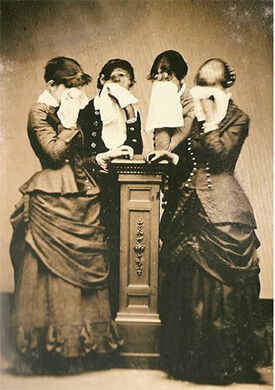 Since death usually occurred in the home, that is where the wake was held, with friends assisting in the process. Funerals were so important in Victorian society that it was not uncommon for a family to incur debt that had to be paid off by the surviving family members. Economic hardship was a small price to pay for a decent burial, and no one wanted a family member in a pauper’s grave.
For those who could afford the expense, professional mourners were hired who wept as they followed the procession to the cemetery. Photographers also came to the homes to photograph the deceased and those in mourning. Even certain foods were required for the occasion. Small cakes called “funeral biscuits” were given to everyone who attended the funeral.
Very often friends and neighbors would lend a hand because widows were not supposed to shop after the death of a spouse and were expected to dedicate their time to mourning, a period that could formally go for 2-1/2 years.
***
Sign Up for Healing Journey Messages
Receive a daily message to your email address.