


August 26, 2023
The great American philosopher William James who is considered the “Father of American psychology,” was one of the most influential thinkers of the 1900s. He and his brother the novelist Henry James were born into a prominent New York family. He graduated from Harvard University with a degree in medicine, although he never practiced. He was the author of many works, including the famous “Varieties of Religious Experience.” Despite his influence, he suffered from what he called “soul sickness,” which was chronic depression.
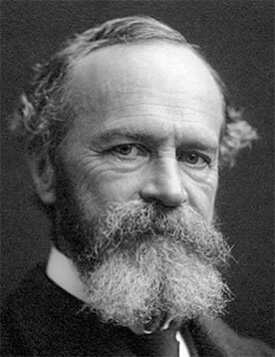 In 1900, he gave a lecture for students at Harvard, where he taught, titled, “What Makes a Life Significant?” It is a question we often ask when someone we love dies or when we’re faced with the prospect of dying. Our society often judges significance by worldly achievements. But James saw things differently.
For him — a man who understood privilege and the rarified environment of academia — a significant life was not centered on material achievement or what our society measures as success such as power, prestige and possessions. What makes a life significant is love, compassion, benevolence, empathy and the willingness to sacrifice for others. And these are virtues often found in pain.
Think about those qualities. In your grief, you will encounter people who display them and use them to help and teach you. In the same essay, James said we should “be faithful” and open to occasions where we can learn from others, because those experiences lead us to the truth about life.
***
Sign Up for Healing Journey Messages
Receive a daily message to your email address.