


October 23, 2023
— Charles Dickens
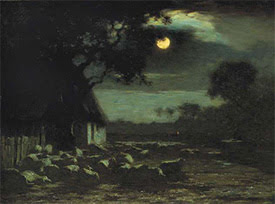
Night can be frightening, especially if you’re alone for the first time after your loss. Your mind is free to roam, unhampered by the distractions of daily life. The night will magnify the most painful aspects of your grief … the regrets, the guilt, the loneliness, the longing for the past and the fear of the future.
 It may take you longer to fall asleep and you may wake up in the middle of the night, staring at the ceiling while your mind goes through a succession of thoughts, fears, and anxieties. This is known as “middle insomnia.”
Almost half of the people who are grieving have trouble sleeping up to three times a week. One in four individuals who lost a spouse develops depression, which can last up to two years and contribute to prolonged sleeplessness and health problems.
This is especially true for seniors who live alone. More than 800,000 seniors lose a spouse or partner each year, and they are likely to have poor sleep because they feel lonely, anxious, and unsafe.
See your physician or a therapist if you are suffering from these symptoms. Some simple things you can do to improve your situation include getting regular exercise, avoiding electronics at bedtime, not taking naps during the day, avoiding caffeine and alcohol, and keeping your bedroom dark.
***
Nighttime will be more difficult for you when you are grieving.
Sign Up for Healing Journey Messages
Receive a daily message to your email address.